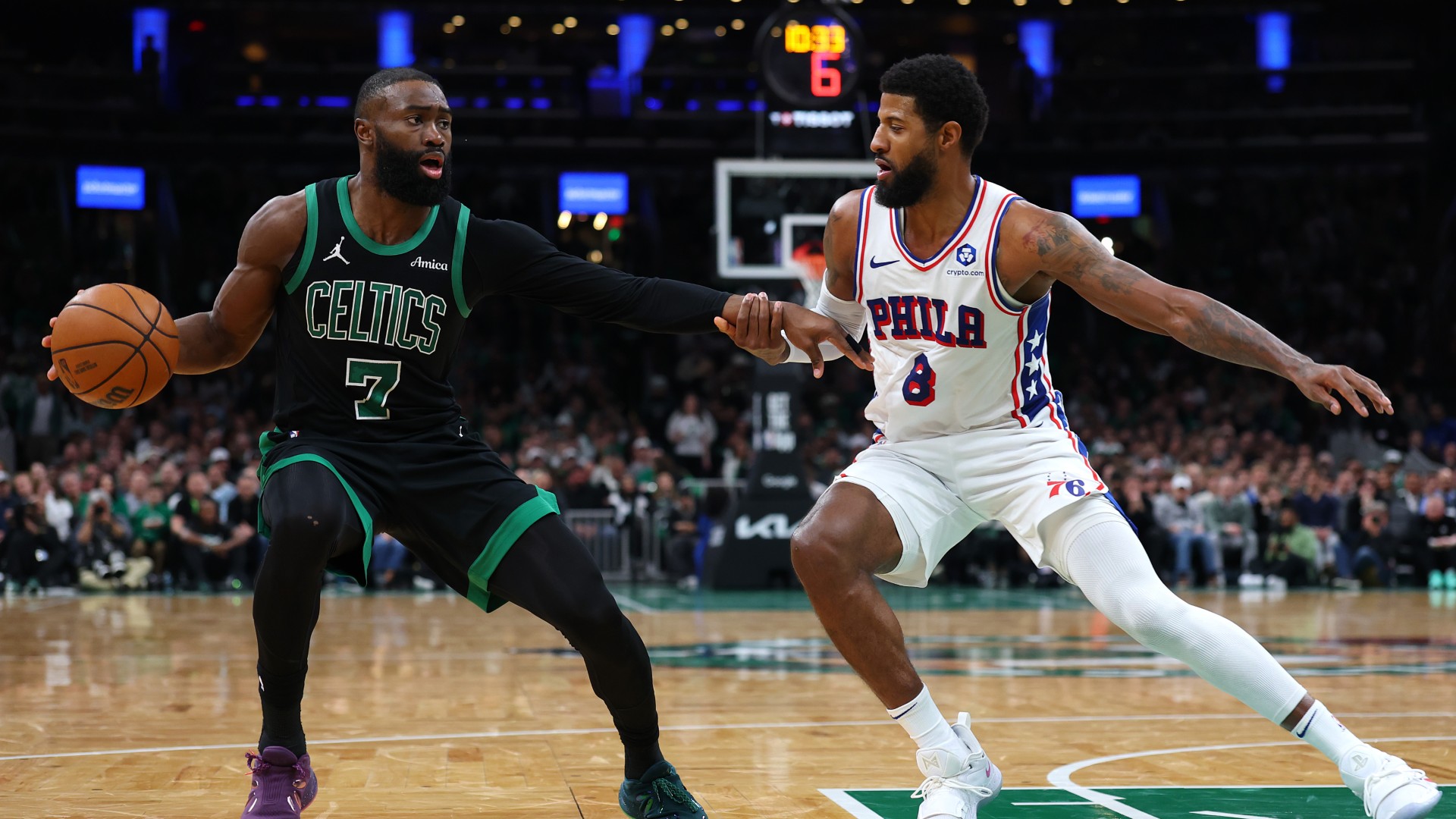
The NBA’s early‑offseason frenzy took a dramatic turn on July 3, 2026, when the Boston Celtics traded franchise cornerstone Jaylen Brown to the Philadelphia 76ers for Paul George, two first‑round picks and two second‑round picks. While the trade instantly rewrote the balance of power in the East, its reverberations are being felt on the West Coast, where the Los Angeles Lakers are already scrambling to adjust their roster calculus for a season that could be defined by a new championship narrative.
From Boston’s End of an Era to Philly’s Youthful Surge
Brown’s ten‑year tenure in Boston was marked by consistency and clutch performances. He helped the Celtics lead the league in regular‑season wins (530) and playoff victories (86), capped by an NBA championship in 2024. Over the past season, Brown posted career‑high averages of 28.7 points, 6.9 rebounds and 5.1 assists while shouldering the load for a Tatum‑less squad.
Philadelphia, meanwhile, gains a player who is six years younger than George and has logged 337 regular‑season games in the last five years—about 100 more than the veteran forward. The Sixers view Brown as the missing piece at the critical 3/4 position, hoping his durability and scoring will finally push them past the conference‑final ceiling that has plagued the franchise since 2017‑18.
What the Trade Means for the Lakers’ Front Office
The Lakers, still reeling from a disappointing 2025‑26 campaign that ended in a first‑round exit, now face a new set of variables. With LeBron James entering his 20th season and Anthony Davis battling chronic injuries, Los Angeles has been looking to add a versatile wing who can defend multiple positions while providing a reliable scoring punch.
Paul George, now a Laker prospect, fits that mold on paper. At 33, he brings five All‑Star selections, playoff experience, and a reputation as one of the league’s premier two‑way players. However, his recent health issues—particularly a lingering knee soreness that limited him to 45 games last season—raise questions about his long‑term fit alongside James and Davis.
Strategic Scenarios: Retain, Swap, or Double‑Down?
One possible route for the Lakers is to retain George and use the two first‑round picks acquired by Boston as trade assets. Those picks, likely to fall in the mid‑first‑round range given the Celtics’ recent performance, could be packaged to land a younger, high‑upside guard or a defensive specialist—positions the Lakers have struggled to fill.
Alternatively, Los Angeles could flip George for a package that includes a future first‑rounder and a veteran role player, preserving cap flexibility while still addressing the roster’s depth issues. The Lakers’ salary‑cap situation, with roughly $10 million in dead‑money from previous contracts, makes any move a delicate balancing act.
Player Reactions: Brown’s Shock, George’s Optimism
Brown’s own statement on social media captured the emotional weight of the deal: “I’m still processing how this all went down. I’m excited and disappointed at the same time.” The former Celtic star praised the Sixers’ organization but admitted the trade felt “like a punch to the gut” after a decade of loyalty.
George, for his part, expressed enthusiasm about a potential West Coast chapter. “I’ve always respected the Lakers’ culture and the city,” he said in a press conference. “If the opportunity comes, I’m ready to contribute right away.” His remarks have sparked speculation that the Lakers might be the next stop for the former Indiana Pacers star.
How the Eastern Shift Impacts the Western Playoffs
Philadelphia’s bolstered lineup, now featuring Brown’s scoring and defensive versatility, could accelerate the Sixers’ climb to a top‑two seed. A stronger Eastern opponent means the Lakers could face a tougher path to the NBA Finals, potentially meeting a rejuvenated 76ers squad in the conference finals.
Conversely, the Celtics, having shed Brown’s contract and received George plus four draft assets, may become a more flexible, rebuild‑oriented franchise. Their newfound cap space could allow them to pursue a marquee free agent, further altering the Western balance if that player chooses Los Angeles over Boston.
Looking Ahead: The Next Moves for Los Angeles
With the trade officially pending league approval—expected on Monday after the one‑week free‑agency negotiating period—the Lakers have a narrow window to act. General Manager Rob Pelinka is reportedly in talks with the Celtics’ front office about a potential three‑team deal that could involve swapping George for a younger wing and a future pick.
Fans and analysts alike will be watching closely as the Lakers either double‑down on veteran talent or pivot toward a longer‑term rebuild anchored by draft capital. Either way, the Brown‑George trade serves as a catalyst, reminding the NBA that no franchise is insulated from the ripple effects of a single blockbuster move.